Welcome to our second newsletter from the Faculty of Forest Sciences at the Swedish University of Agricultural Sciences (SLU).
Here we share research highlights, upcoming events and job opportunities. The newsletter will come once a month.
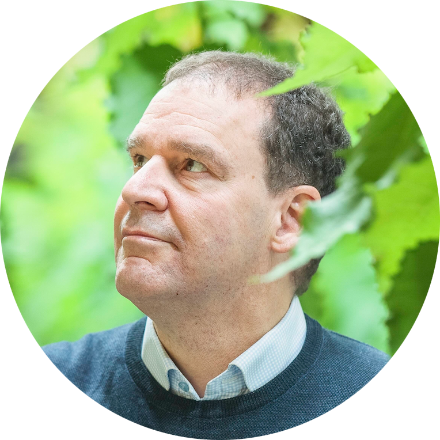
Göran Ericsson, dean.
Photo: Torbjörn Esping.
Still huge errors in remote sensing assessments
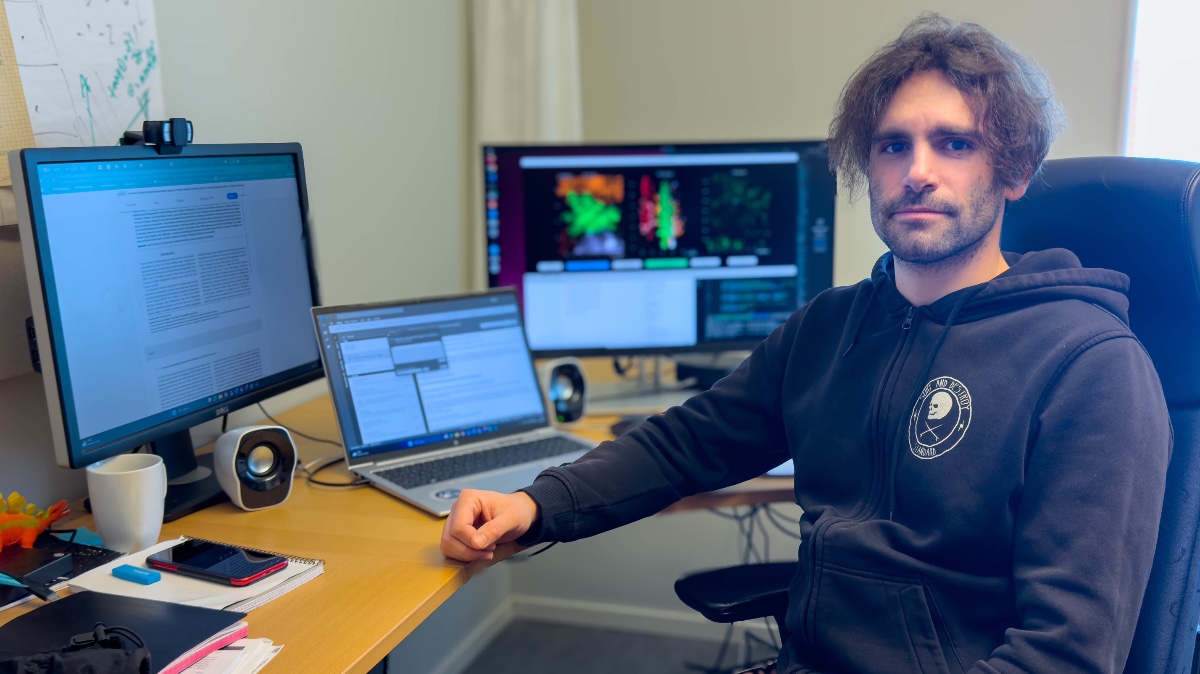
Methods for assessing forest biomass using spaceborne data are improving, but they are still far from truly reliable. That is the conclusion of a new study by Emanuel Papucci and collegues from the Swedish University of Agricultural Sciences (SLU).
The rare yew tree could become a profitable species in forestry. Experimental cultivation is now being initiated at several locations across Europe. Yew, once sought after as wood for bows, is now in demand as for cancer chemotherapy.
Potential in fast growing broadleaf
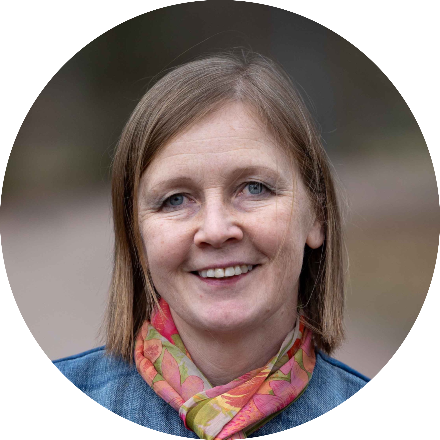
“It's about time that birch starts to be seen as an interesting raw material to the Swedish forest industry”, says Anneli Adler, particularly studying the role that fast-growing pioneer broadleaf trees can play in a changing climate.
How draught affect the economy of chocolate
Half of the world´s cocoa stems from West Africa, making the cocoa bean the foundation for one of the most important agroforestry-based economies.
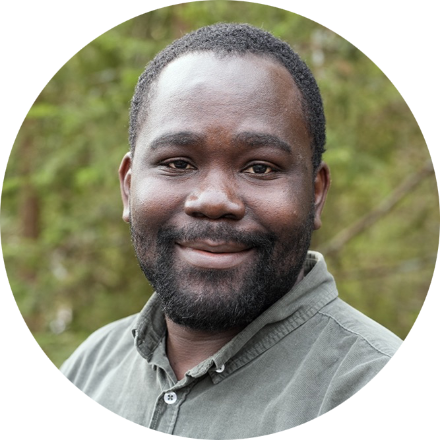
Mark Senanu Kudzordzi is looking into how drought affects to everyone working with cocoa when a harvest is affected by drought.
"Need for a holistic understanding"
“We need a better holistic understanding of all the different factors that will affect forest growth and biodiversity in a future climate", says Ove Nilsson, Programme Director for the research programme Wallenberg Initiatives in Forest Research.
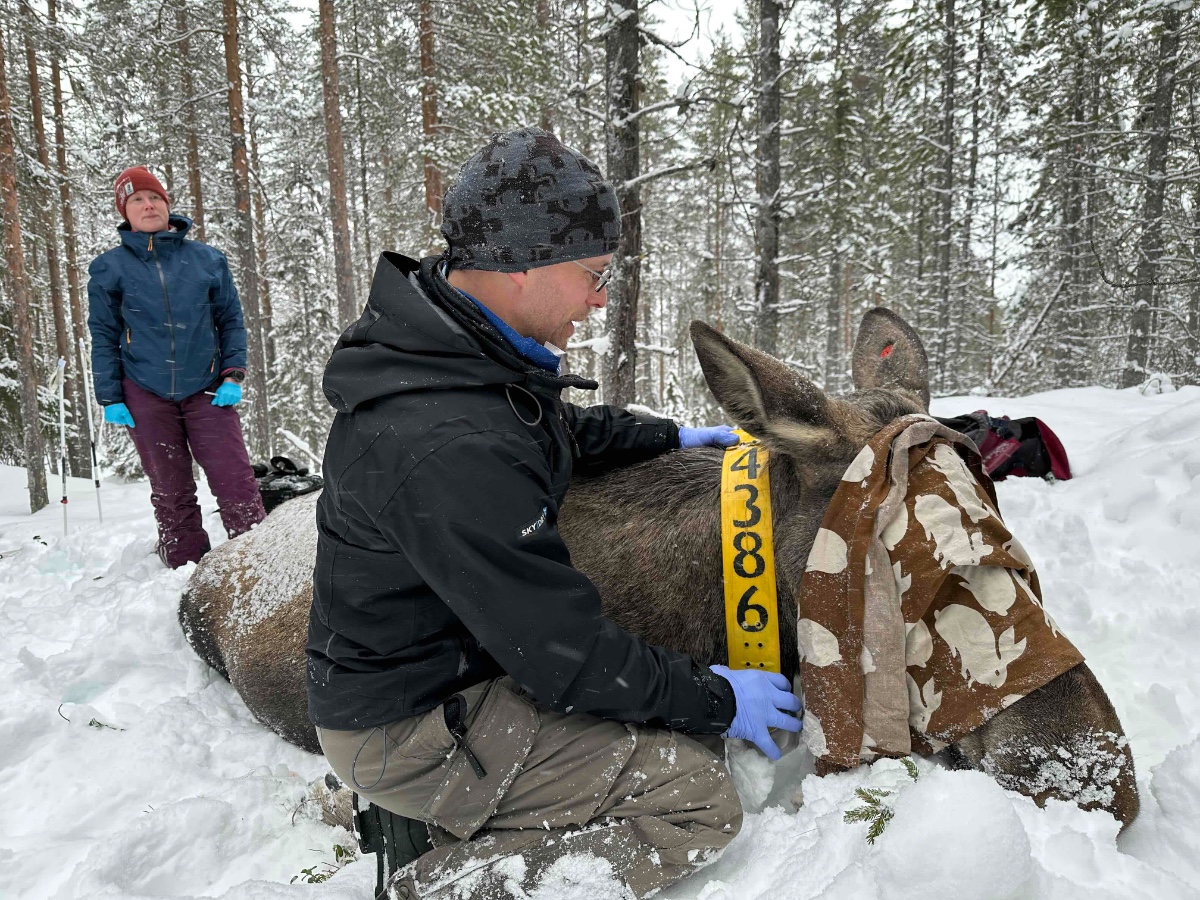
For several years, researchers at SLU have been collecting data on moose movements. The aim has been to understand how moose and their migration are affected by changes in the forest landscape. The project is now coming to an end, and the GPS collars are coming off.
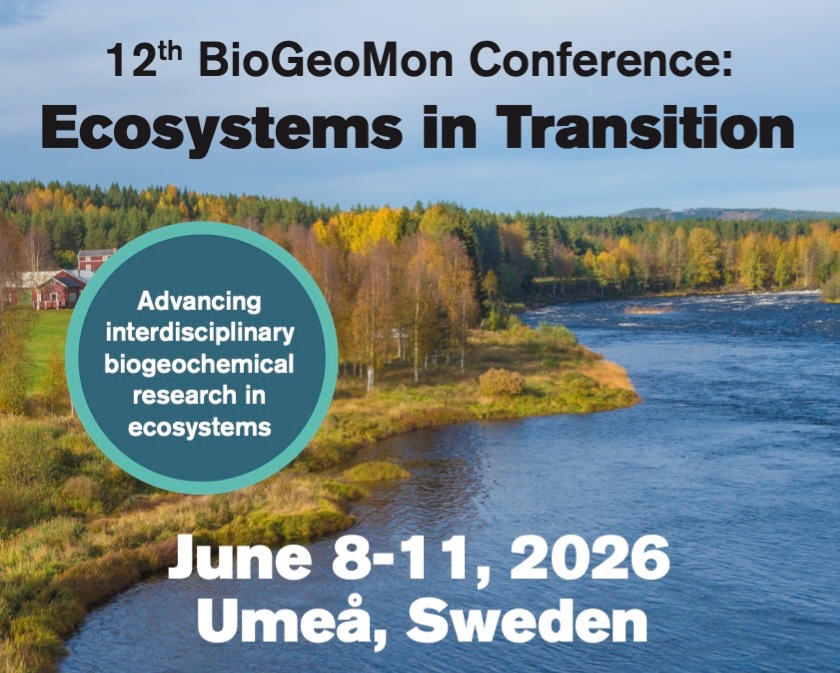
Join us at the 12th BIOGEOMON Conference, June 8th - 11th in Umeå.
Twenty sessions covering the complexity of environmental change in and between the bio-, hydro-, geo- and atmosphere.
Research infrastructures in focus during a day of field excursions.
The BIOGEOMON conference is an open, interdisciplinary forum for sharing the latest discoveries and exploring future directions in ecosystem biogeochemistry.
We especially encourage participation from early career scientists and graduate students, fostering collaboration and fresh perspectives in this growing field.
The Faculty of Forest Sciences at the Swedish University of Agricultural Sciences is an important center for higher education and research in the forest sector. International rankings show time and again that research at the faculty is world-leading.
This newsletter will be sent out once a month. Contact us on sluskog@slu.se.