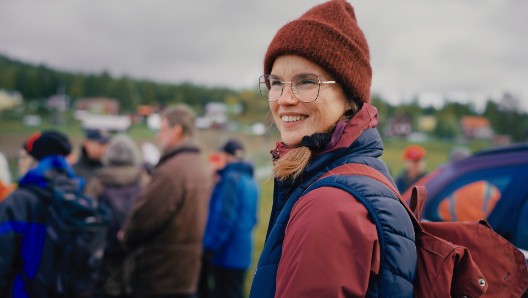
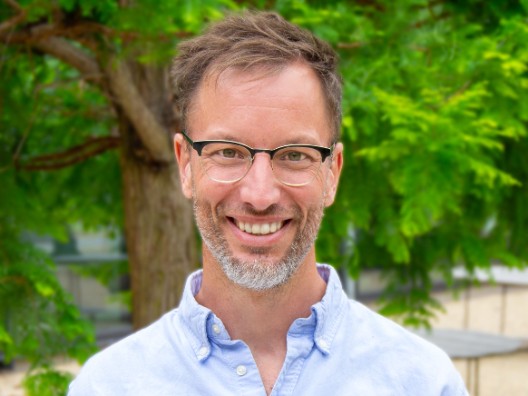
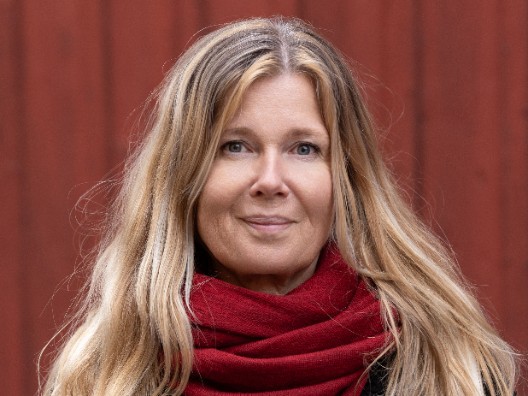
Growing up in Storuman, a small town in the north of Sweden, a path to academia was far from a given. Today, Sara Holmgren’s research takes her from Kenya’s bustling cities to the forests of Hälsingland within the space of just a few weeks. Through her co-creative research, she challenges established ways of thinking and works to create change in practice. Read more | |
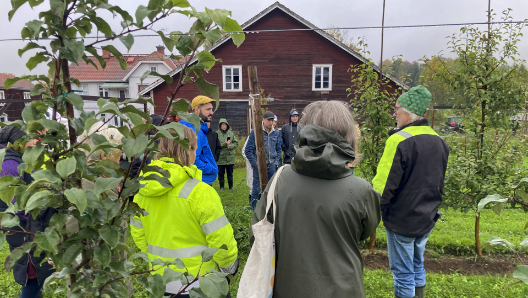
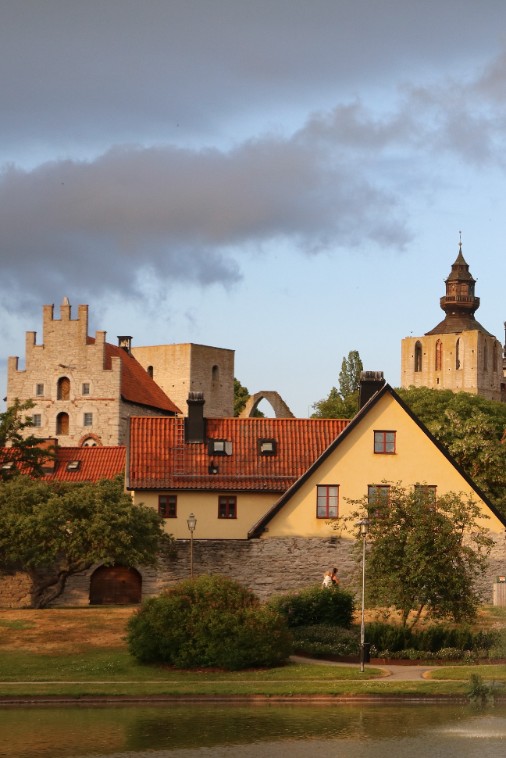
The Hälsingland province in Sweden has a low level of food self-sufficiency, particularly when it comes to fruit and vegetables. To strengthen local food production, local stakeholders from different parts of the food supply chain have come together in a seminar series. The meetings have led to new public procurement agreements as well as unexpected collaborations.
Read more | | | |
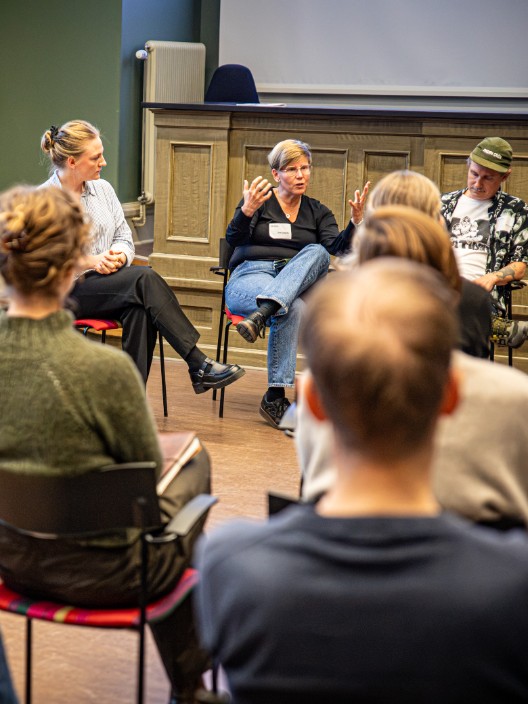
Environmental Communication Day 2026This year, the Environmental Communication Day took place in Lund in the south of Sweden! The theme explored the relationship and interplay between emotions, facts and conflicts. A big thank you to everyone who took part and contributed to a fantastic day filled with conversations, discussions and reflection. If you weren’t able to join us, you can explore all the tools and other resources from the research programme here.
| | | |
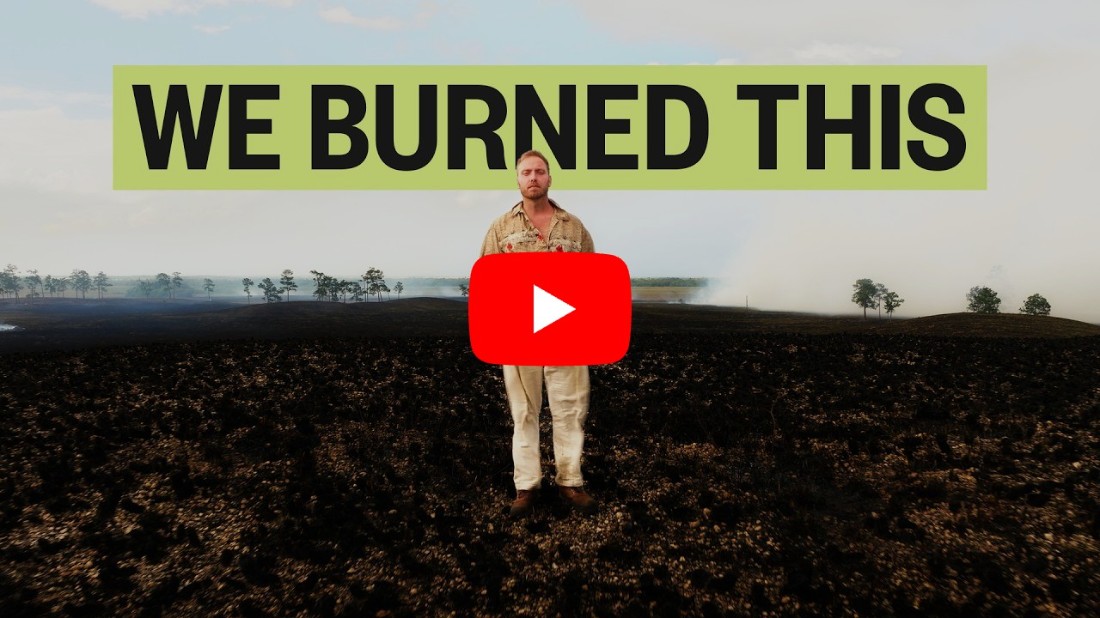
The La Mosquitia region of Honduras was once home to one of Central America’s most important forests. Today, raging wildfires are transforming the landscape into savanna. “The area has completely lost its resilience, and at the absolute frontline of climate change are the indigenous Miskito people”, says Leo Palmberg, filmmaker and music producer within Paskaia, a community-led landscape restoration project. Through his films, Leo tells the stories of places and the people who live there. The film above was made in collaboration with the search engine Ecosia to highlight the challenges of wildfires in Honduras. Together with the Miskito people and researchers from Mistra Environmental Communication, Paskaia works to restore the forests of La Mosquitia and build resilience. Rather than imposing solutions from the outside, the entire process is based on dialogue, trust, and co-creation with the Miskito people.
Read more about the research
|
Quick takes after the election
What are researchers thinking about Sweden’s 2026 election campaign? Shortly after the election, "Snabbtänkt" (Quick Takes) was launched, bringing together short, sharp analyses and reflections from more than 120 researchers on everything from the pulse of the election campaign to the implications of the election results.
Two of the contributors are researchers in Mistra Environmental Communication: Eva Friman, Programme Director and researcher in transdisciplinary sustainability studies at Uppsala University. Martin Westin, Associate Professor in environmental communication at the Swedish University of Agricultural Sciences.
|
Policy issues, the power to govern or opinion polls – what was the election really about?
“In the week after the election, many of us are probably struggling to put our finger on what we actually voted for on Sunday. What was the 2026 election about?” writes Martin Westin. | | Why isn’t “no overconsumption” a sustainability goal?
“The debate ahead of the recent election reflected no real plans to reduce our ecological footprint, no plans for systemic change, despite the fact that sustainability challenges pose an existential threat,” writes Eva Friman.
| | | | "I didn’t see everything in Almedalen*, but I saw a great deal. Amongst the medieval cobblestone streets and banners, I felt the infamous historical words running through my body: ‘Give the people bread and entertainment’. I went to the Almedalen Week because I care about the future of landscapes, the silenced forests, the increasingly empty seas, the rich topsoil and the freely flowing fresh water. It quickly became clear that in Almedalen, a united ‘we’ is transformed into a ‘you’ and an ‘I’, and that we, with red, green or blue banners, are to battle each other like in a medieval joust." Read researcher Max Whitman's thoughts about the Almedalen Week in Sweden (an annual event for Swedish politics)
| | | |
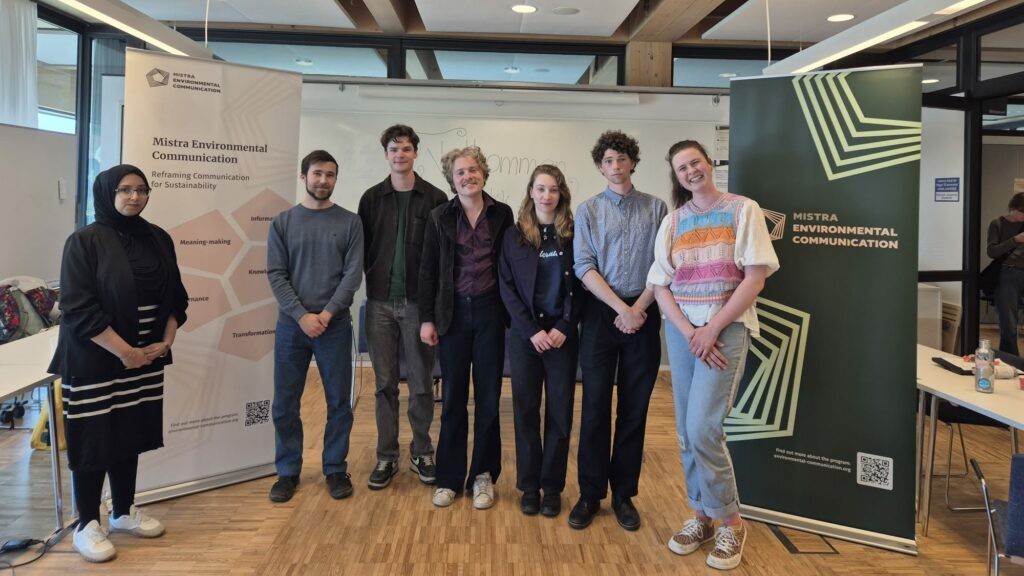
Ahead of the Swedish parliamentary election in September, local political youth organisations were invited to a dialogue forum to address students’ most pressing questions ahead of the election. Topics included the gap between recent graduates and the labour market, as well as local food production. | |
"Politics can sometimes feel far removed from the student experience, young people might feel like they don’t have a voice or that they are too “young” to be actively involved with political topics. However, by hosting a conversation with young representatives from the political parties, we showed that no matter what age you are, politics applies to everyone", says the students Eddie Bäck, Anam Basit och Rebecca Taylor, who led the dialouge forum with support from Mistra Environmental Communication.
Read more | | | |
The climate transition requires both new ways of working and close dialogue with residents. Over the past two years, the city of Lund, in collaboration with Lund University and other partners, has piloted a neighbourhood-based approach to climate action. Now, they will have a final seminar to share the results and lessons learned. Read more
| | | |
Encounters with wild animals can be fascinating, joyful, but also unsettling, especially when large predators are involved. At the same time, experiences in nature are becoming increasingly important for our health and well-being. This webinar explores how encounters with wild animals, or the anticipation of such encounters, influence our experience of nature and our relationship with it. Read more | | | | | | This newsletter gives news and updates from the research programme Mistra Environmental Communication. You are receiving this newsletter because you have expressed interest in the programme. About Mistra Environmental CommunicationMistra Environmental Communication is an eight-year research programme dedicated to investigating how communication shapes sustainability transformations. Our work is critical and change-oriented: we advance a scientifically grounded understanding of how communication practices can contribute to efforts towards a sustainable future. The programme is a close collaboration between researchers from diverse disciplines, authorities, civil society organisations, and companies. The programme is led by the Swedish University of Agricultural Sciences and Uppsala University.
| | |
Follow Mistra Environmental Communication on LinkedIn to take part of all news and events within the programme.
| |