Why bark beetle infestations can be difficult to detect from the air
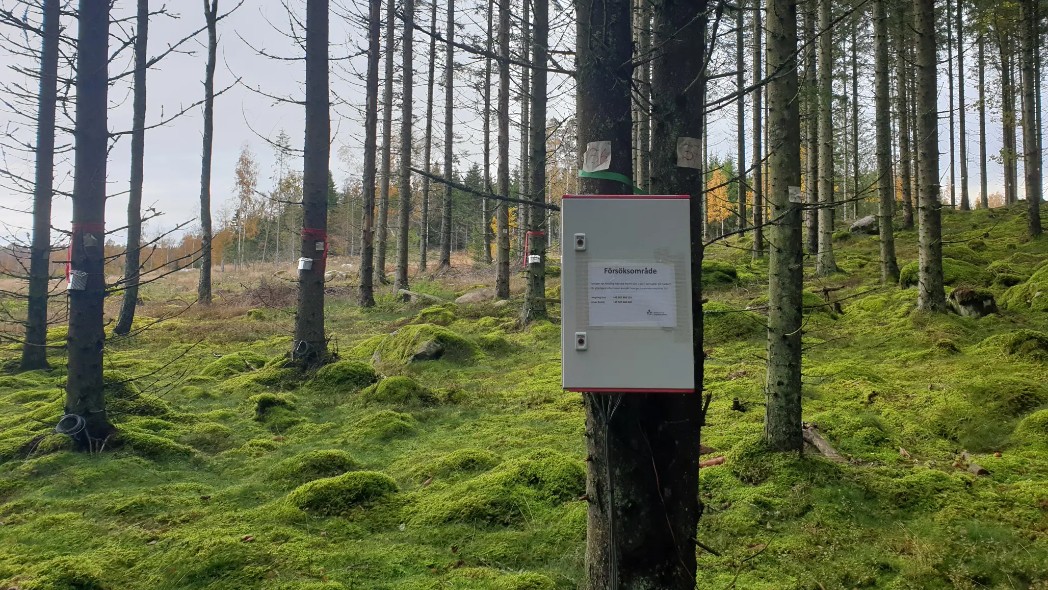
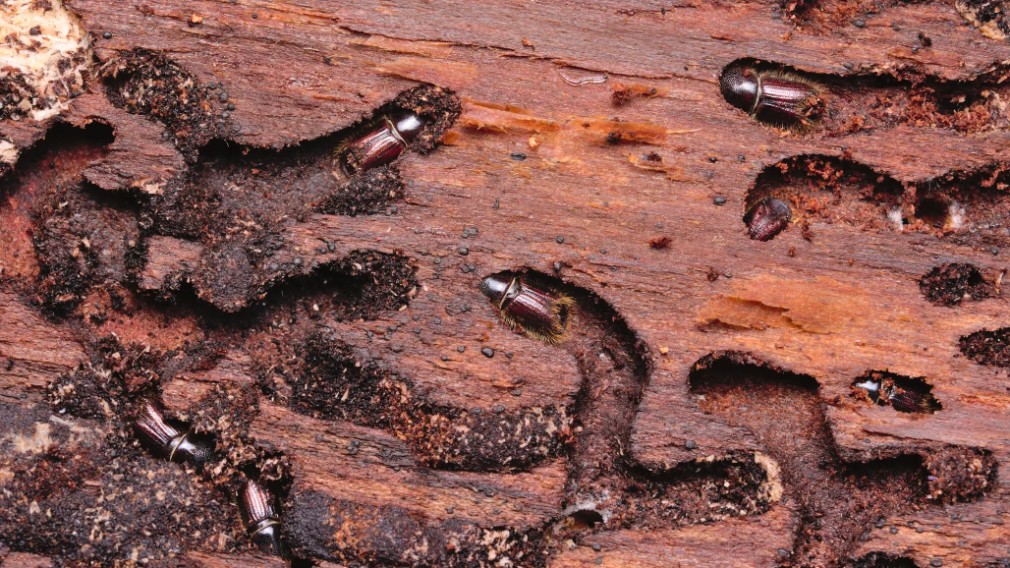
Spruce trees can continue to transport water and function much like healthy trees for weeks after a bark beetle attack. A new SLU study shows why this makes early detection from the air difficult: during this period, there is no stress signal for cameras to detect.
Bushes and rocks in the forest are important for the natural enemies of insect pests
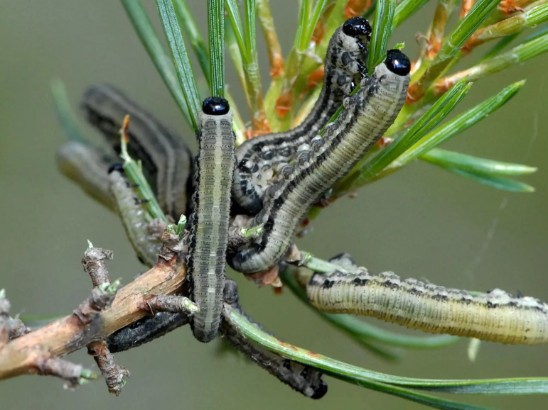
There are hopes that mixed forests will reduce problems with insect pests by favouring their natural enemies. However, a thesis from SLU shows that a greater number of tree species did not, in itself, result in more natural enemies or increased mortality among saw flies. On the other hand, small-scale variation within the forest did make a difference.
New thesis on how to protect birch from pests and disease
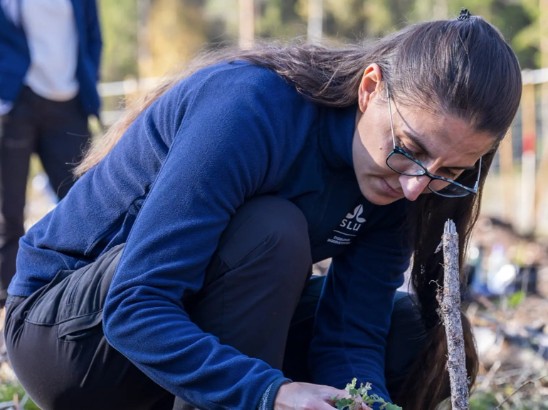
As interest in silver birch grows in Swedish forestry, so does the need to understand the pests and disease that could threaten it. In a new doctoral thesis from SLU and Trees For Me Dr. Sezer Olívia Kaya brings together new knowledge on current and potential biotic threats.
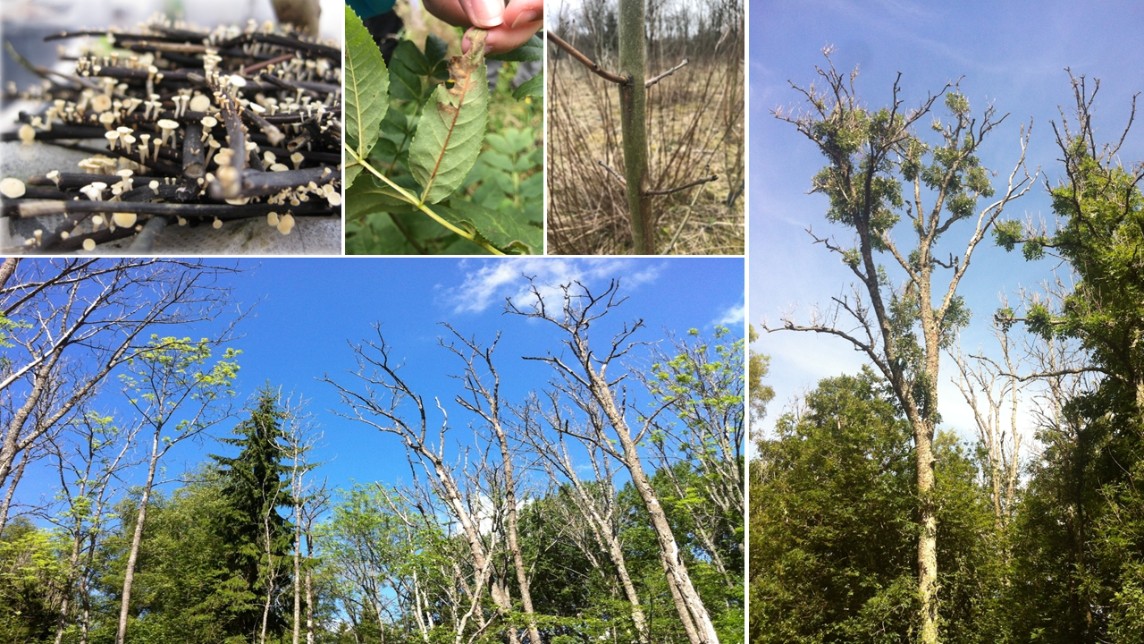
About 1,300 potentially resistant ash trees have been identified. However, breeding trees that can withstand ash dieback is not enough to save the species. In a new Perspective article, researchers summarise 13 years of research and describe what is needed to re-establish viable ash populations.
How characteristics of the forest affect the risk of spruce bark beetle damage
The proportion of spruce in a stand and the stand’s age are key factors in the risk of spruce bark beetle infestation, as well as in the extent of the resulting damage. This is shown by a new study from SLU.
Plant protection across boundaries: new perspectives and connections
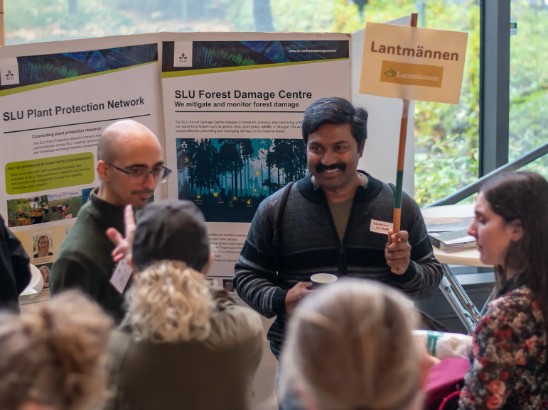
From forest pests to plant diseases in agriculture and horticulture, many plant protection challenges are shared. On 8–9 October, around 90 researchers and stakeholders gathered at SLU in Uppsala to exchange ideas and build connections across disciplines.
The moose population is increasing for the third year
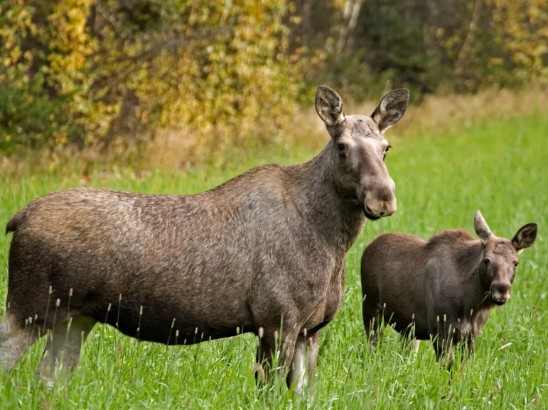
The trend is continuing. The elk population is continuing to grow. This is shown by the annual estimate carried out by the Swedish University of Agricultural Sciences (SLU) on behalf of the Swedish Environmental Protection Agency.
Planning is underway and we hope to be able to present research and PhD projects, as well as the challenges faced by nurseries and in reforestation with regard to damage and pests. Webinar is mainly in Swedish but probably some presentations in english.
We welcome all PhD students at the SLU Forest Damage Centre’s Research School, supervisors and external partners to the Research School’s annual meeting.