Dear
AgriFoSe2030 friends,As we move into the second half of the year, it is a
good opportunity to look back on some of the activities, collaborations, and
results emerging across the AgriFoSe2030 programme. I would like to thank all
our hubs and partners, researchers, students, and stakeholders who continue to
contribute their time, knowledge, and experience to translating science into
policy and practice, thereby contributing to improved food and nutrition
security.
One important milestone this year has been the
publication of our Impact Report, which brings together the experiences,
results, and lessons from all 17 AgriFoSe2030 projects carried out between 2018
and 2024. The report provides an opportunity to reflect on what has been
achieved over the years and on the many collaborations that have made this work
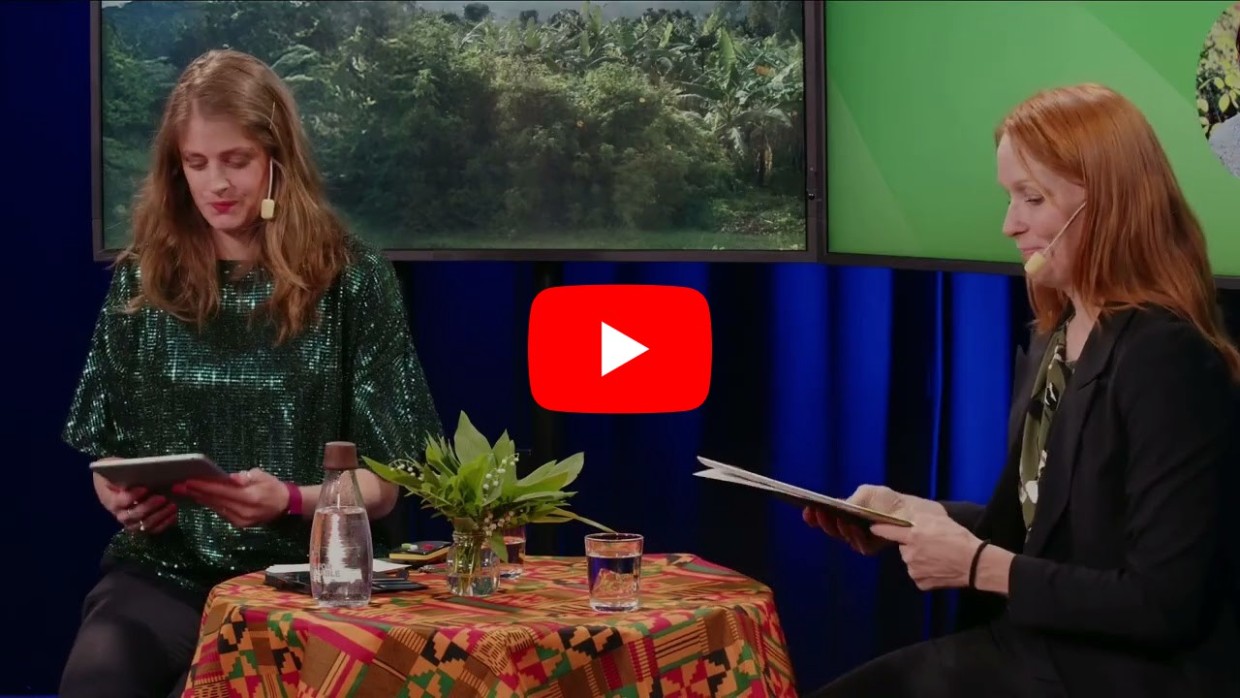
possible. In this newsletter, you will also find a link to the recording of our
recent Impact Event, where many of these experiences and lessons were shared.
This edition also highlights progress from our Food
Governance project in Kenya and the latest news from the RUFS project, which is
strengthening urban food systems' resilience in Uganda. If you haven't already,
I encourage you to follow AgriFoSe2030 on LinkedIn, where we regularly share
publications, events, and other news from across the programme.
I hope you enjoy this edition of the newsletter and
that it gives you an opportunity to learn more about the people, projects, and
partnerships that continue to shape AgriFoSe2030. Thank you for being part of
the network and for your continued engagement and support.
Dr. Elisabeth
Rajala
Programme Director
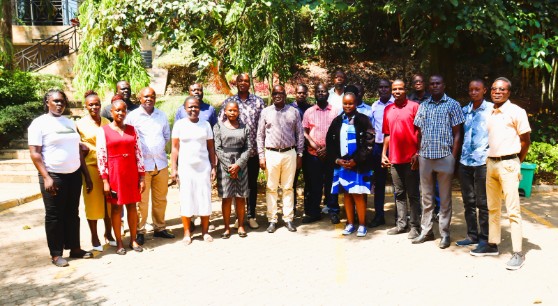
| | | | | Meet the Food Governance projectEach newsletter, you will meet one of the change projects in AgriFoSe2030. Third out is the change project "Strengthening governance of food and extension systems for agricultural systems for agricultural resilience and envoironmental sustainability in Kenya". |
Strengthening governance of food and extension systems
for agricultural resilience and environmental sustainability in Kenya
Food systems in Kenya face multifaceted challenges, including climate change impacts, degradation of ecosystems, unsustainable agricultural practices, low agricultural productivity, and inefficiencies in the agricultural extension system. Addressing these challenges requires robust governance frameworks that foster collaboration, knowledge sharing, and effective policy implementation. This project aimed at enhancing governance of food and extension systems for improved agricultural resilience and ecosystem sustainability in Kenya. It aims at strengthening food system governance, extension systems, and strengthening engagement with county governments of Embu and Kisumu, with a focus on food systems resilience and ecosystem sustainability
| | | | |
AgriFoSe2030 highlights decade of science translation driving food systems change
In an era marked by geopolitical uncertainty, fragmented funding landscapes, and multiple crises affecting global food security, experts are calling for stronger links between research, policy, and practice to ensure food systems decisions are grounded in evidence and deliver tangible impact for communities. Over the last 10 years, AgriFoSe2030’s science translation methodology has been tested through 17 projects in 12 countries, demonstrating how research can move beyond academic institutions to create lasting change for farmers, communities, and local food systems.
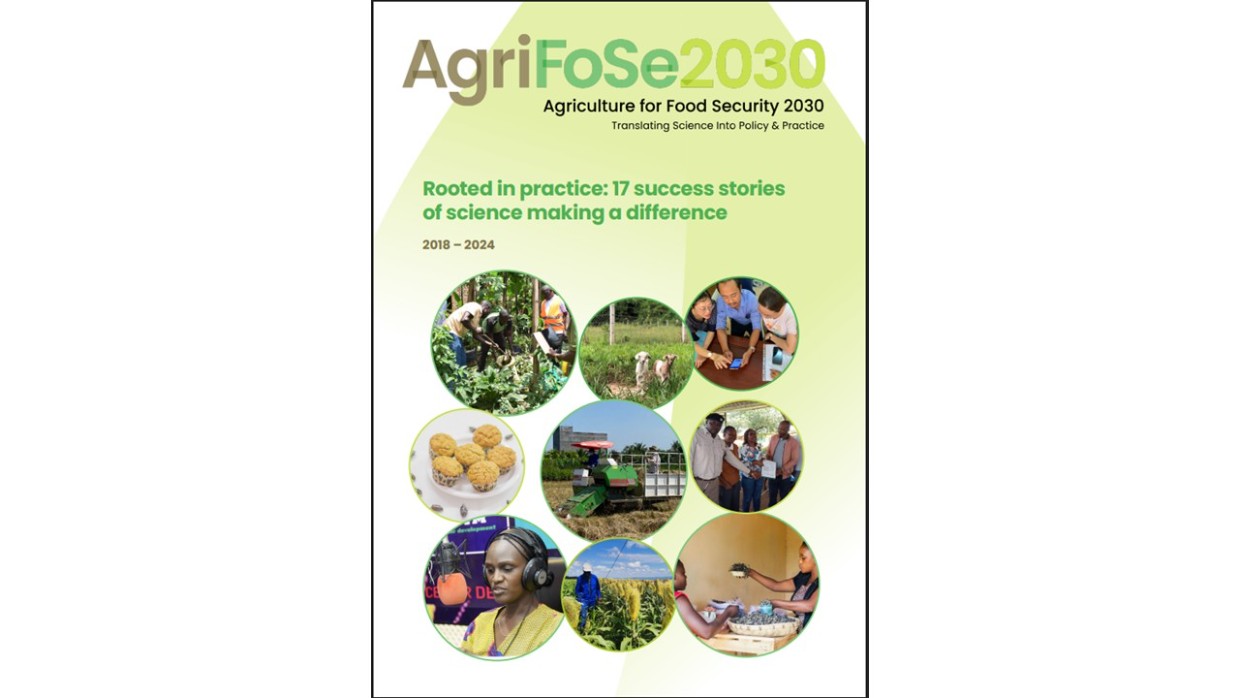
| Impact report: How can scientific evidence better shape sustainable food systems and food security policies?The AgriFoSe2030 programme has been working across sub-Saharan Africa as well as South and South East Asia to strengthen countries’ capacity to synthesise and translate robust scientific evidence into practical policies and actions. The newly published report, "Rooted in practice: 17 success stories of science making a difference", highlights lessons, impacts, and collaborative approaches that can help accelerate the transition toward more sustainable and resilient food systems globally. Through a knowledge co-creation approach named Theory of Change, AgriFoSe2030 brings together researchers, practitioners, and policymakers to develop context-specific solutions grounded in local knowledge and expertise. Across these themes, 17 change projects demonstrated how science translation processes can address real-world challenges in agriculture and sustainable food systems.
|
Horns of hope: The livestock transformation
The GEMVAM project is
helping smallholder dairy farmers in western Uganda increase incomes by turning
raw milk into value-added products such as yoghurt, cakes and skincare
products: The project is training women and youth in livestock management,
value addition and climate-smart agriculture. "We are intentionally
turning scientific findings into actionable policies and community-driven
solutions that change lives on the ground," said Dr. Judith Irene Nagasha,
the AgriFoSe2030 Hub Leader in Uganda. Beneficiaries say the training has
transformed their businesses by reducing milk waste and creating new markets,
although challenges such as limited financing, poor infrastructure and delays
in product certification continue to hinder expansion. | Workshop in Tanzania to strengthen college tutors
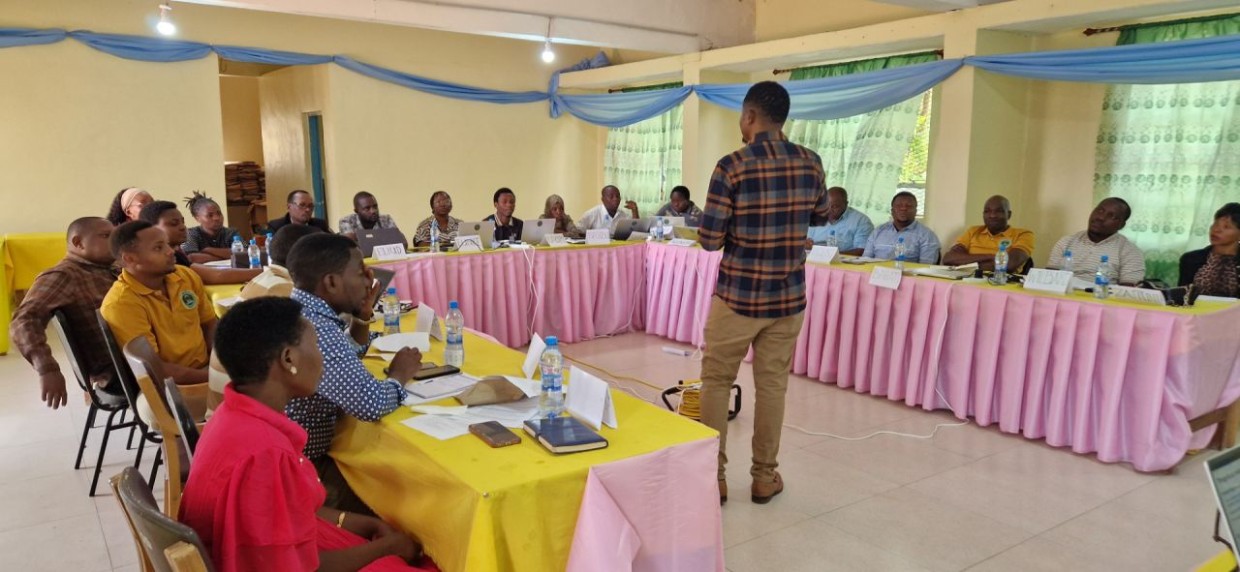
Women in Tanzania produce a significant share of food, but women farmers operate in a context of gender biases, barriers to decision-making and financial control that limit their ability to implement agricultural innovations and improve productivity. Agricultural extension officers are on the frontlines of the social and cultural realities that shape farming and gender sensitive advice can help build inclusive and resilient agricultural systems.
With backing from the Tanzanian Ministry of Agriculture, the AgriFoSe2030 GenSens project has now been empowering college tutors from all 14 State agricultural colleges and two private colleges in a series of training workshops across the country. Our latest 2 day trainings at the Kilimanjaro Agricultural Training College and the Ukiriguru Training Institute equipped tutors with an intimate understanding of how gender affects many aspects of farming and teaching of courses in the curricula - from the use of farm machinery, to drip irrigation deployment, to food technology and nutrition. This will allow college tutors to train future generations of extension advisors to more effectively meet the needs of farmers and address gendered skill and power gaps without increasing women’s labour burden. | CUT students urged to turn research into policy action
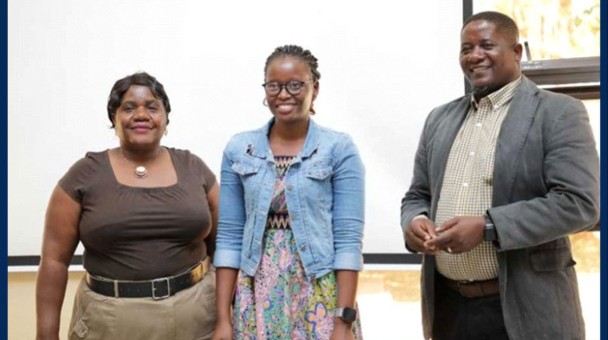
Postgraduate students at Chinhoyi University of Technology (CUT) in Zimbabwe have been challenged to move beyond traditional academic research and develop policy briefs that can directly influence national development decisions.
| | |
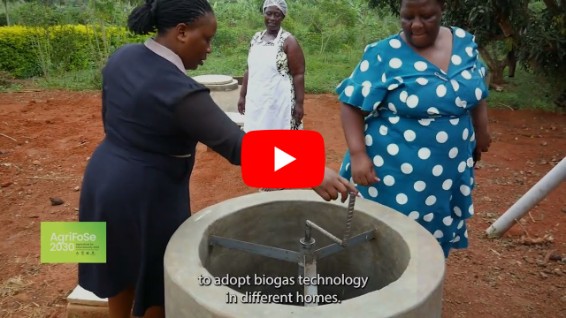
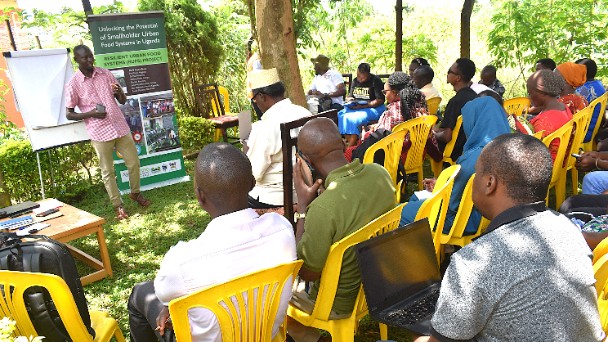
RUFS transforms urban farming in Mbale and KaseseAgriFoSe2030 is transforming urban agriculture in Uganda through the Resilient Urban Food Systems (RUFS) project, an initiative that is equipping smallholder farmers with climate-smart farming practices to improve food security and build resilience to climate change.
| | | | | AgriFoSe2030 on LinkedIn!
Follow us to learn more about our insights, stories, outputs, and collaborations — from webinars and scientific outputs to change stories and perspectives from our regional hubs in Kenya, Uganda and Zimbabwe. Share with your networks and let us engage further on how science can help transform food systems sustainably. Let us build knowledge together — follow, comment, share your thoughts and join the conversation!
| |