Biodiversity and One HealthBiodiversity and health are closely linked and
are fundamental to many ecosystem services
that humans depend on, such as clean air
and water, food supply, outdoor recreation,
and protection against natural disasters.
In this issue of the newsletter we focus on connections between biodiversity and One Health. We present a selection of projects and news articles at SLU showing how biodiversity can help to promote health. As always, we present a selection of One Health research and spotlight young researchers who have recently defended their theses and earned their doctorates. Additionally, you get some tips on upcoming events.
Do you have an SLU project within One Health? Please connect with us if you would like to present your research in the newsletter! Enjoy your reading! | | | | | How to sustain healthy marine ecosystems and food webs
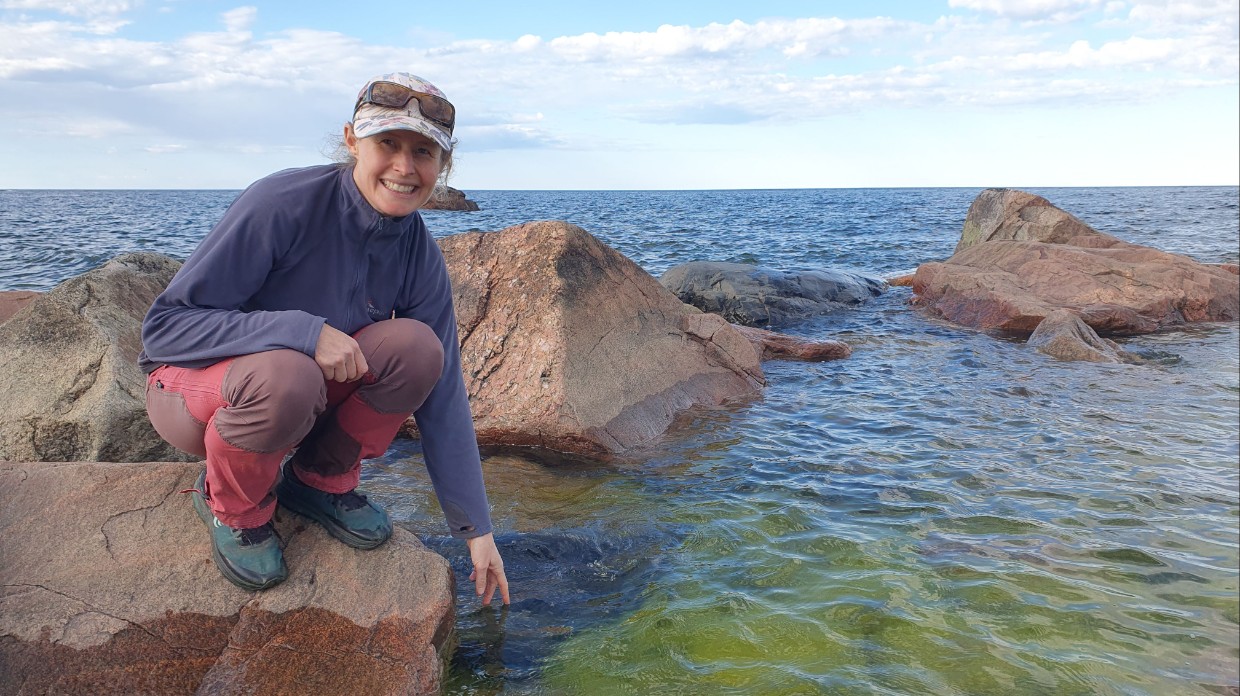
Marine ecosystems are under many pressures such as high fishing, climate change and excess nutrients. Carolyn Faithfull, Researcher at the Department of Aquatic Resources, explores how these pressures affect the interactions between species in the Baltic Sea and how to sustain healthy food webs.
| | | | | Succesfully managing the raccoon dog to reduce risks to biodiversity and health
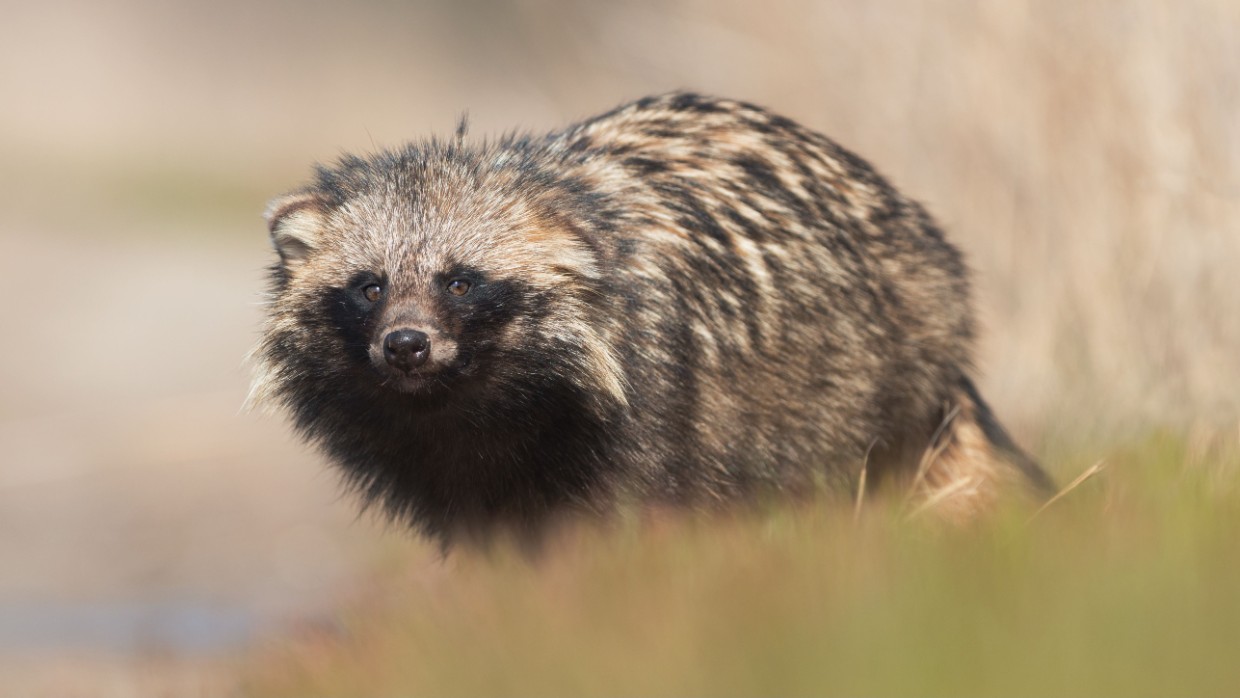
Fredrik Dahl is the scientific project leader of an adaptive management project aiming to eradicate invasive alien mammals, birds, reptiles and amphibians in Sweden. We interviewed him about the project and how it connects to biodiversity and One Health.
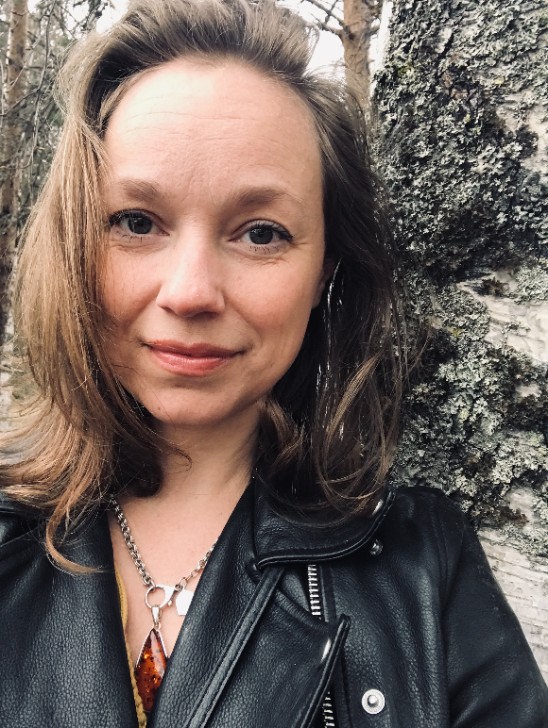
| | | | | Healthy forest ecosystems in new dissertation within One Health: Congrats to Paulina Bergmark! | What is your research about? “Forests in the Nordic countries have been used and managed very intensively for a long time, which has had a negative impact on many species. My research helps us understand how forests can be managed in a more sustainable way, so we can continue using them, but also protect the beetles, fungi, and other species that depend on these ecosystems. Healthy forests support both nature and people, which makes this work important for a better future.”
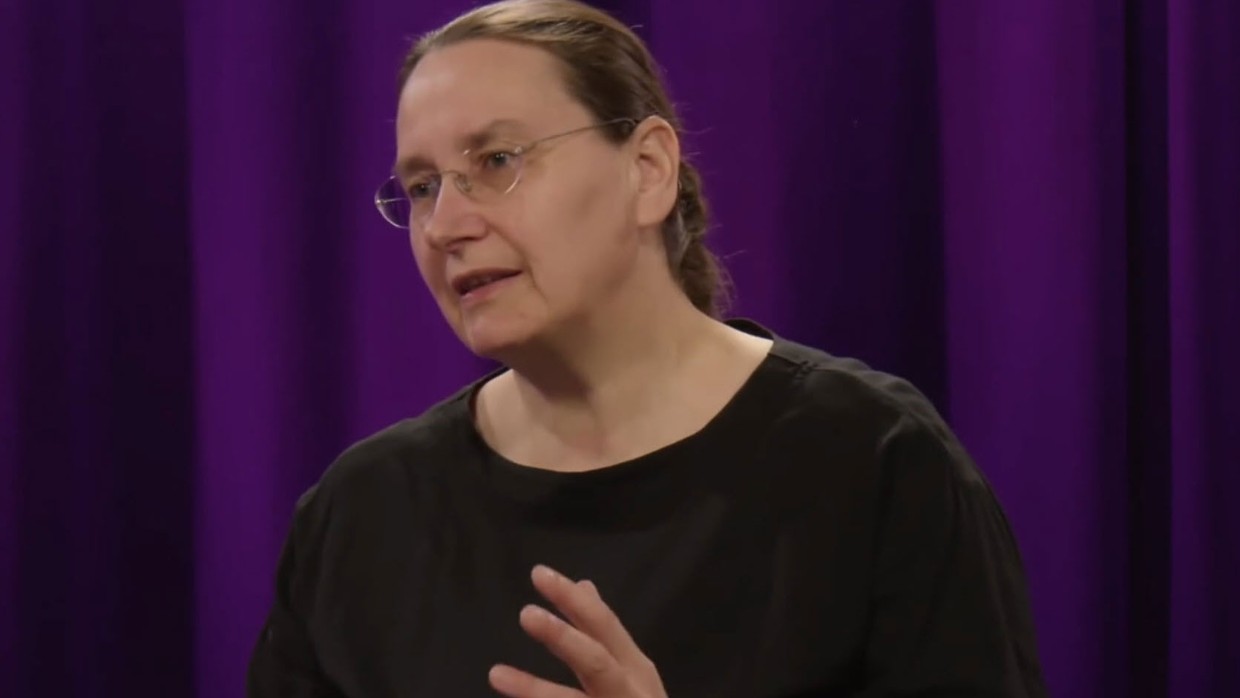
Photo: Private | | | | | | "Sluta spela ut klimat mot biologisk mångfald - vi behöver se helheten"Vad har vargspindeln med TBE att göra? Och visste du att pärlugglan är specialiserad på att jaga sorkar infekterade med sorkfeber och harpest? Frauke Ecke är universitetslektor vid Sveriges lantbruksuniversitet (SLU) och professor i ekologi vid Helsingfors universitet. Här berättar hon om sin forskning på små däggdjur – och om betydelsen av biologisk mångfald för att minska uppkomst och spridning av zoonoser, det vill säga smittor som kan spridas mellan djur och människor.
| | | | | "Gröna stadsmiljöer och kopplingen till hälsa och biologisk mångfald hamnar alltid mellan stolarna"
Hur viktig är den tätortsnära naturen för människors hälsa och rekreation? Cirka 58 % av vårt friluftsliv sker i svenska städer och deras stadsmiljö. Det betyder att på cirka 5 % av Sveriges yta sker 60 % av allt friluftsliv – grönområden av hög kvalitet behöver därför finnas överallt i alla städer. Hur ska man tänka kring grönområden vid planeringen av stadsmiljöer?
Marcus Hedblom är professor i landskapsförvaltning vid SLU. Här berättar han om sin forskning kring naturens betydelse för vår hälsa och välmående. | | | | | "När naturen och miljön mår bra så mår vi också bra"
Anna Maria Pálsdóttir är docent i landskapsarkitektur med inriktning i miljöpsykologi vid SLU. I en intervju berättar hon om naturens inverkan på vårt välbefinnande – hur dofter och ljud aktiverar vårt lugn-och-ro-system och vad hon anser behöver göras på en samhällsnivå för att främja den biologiska mångfalden och vår hälsa.
| | | | | More tips from SLU on biodiversity and One HealthSome other highlights with interesting content on cross-cutting themes that bring together different aspects of biodiversity and One Health.
(Swedish and English mixed) | | | | |
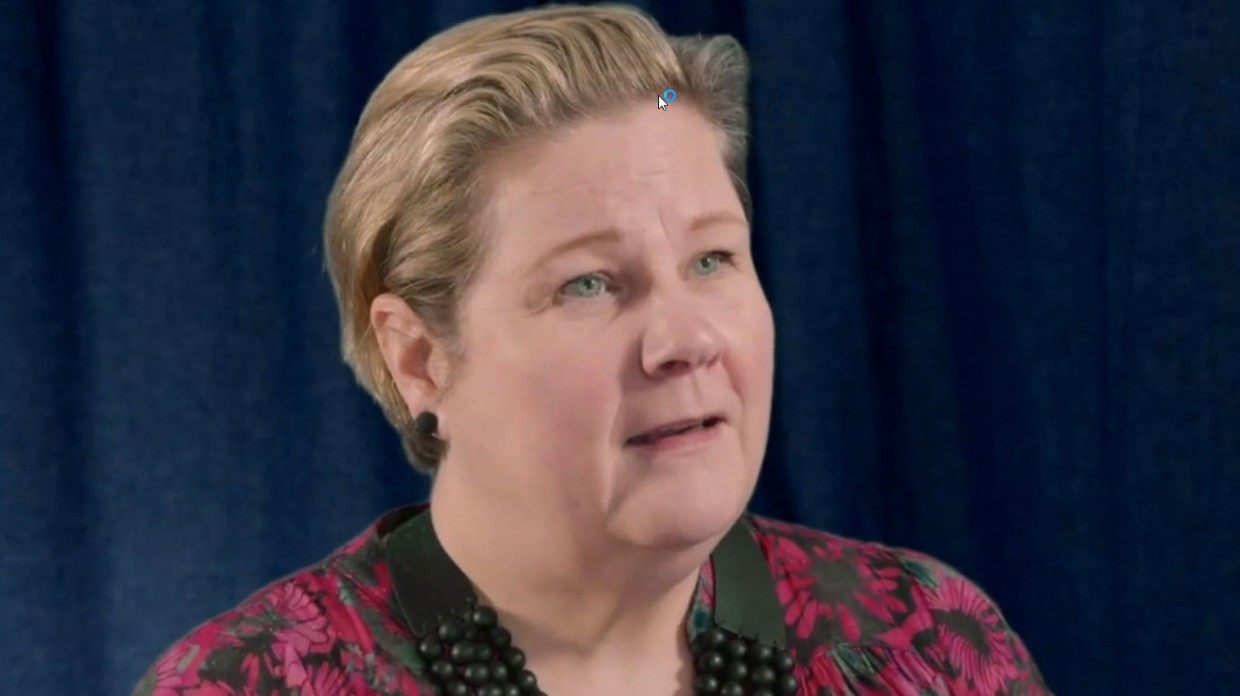
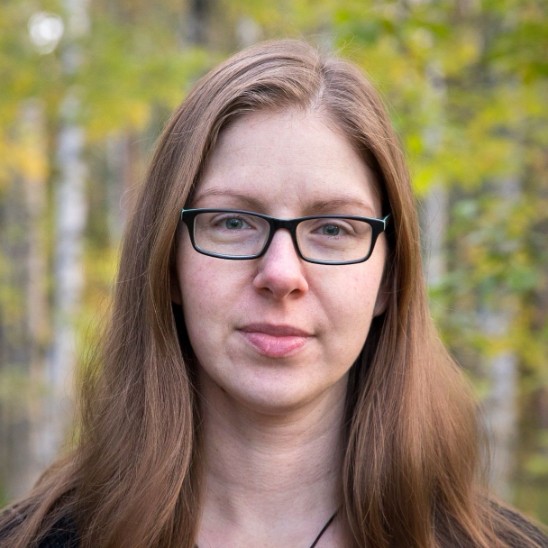
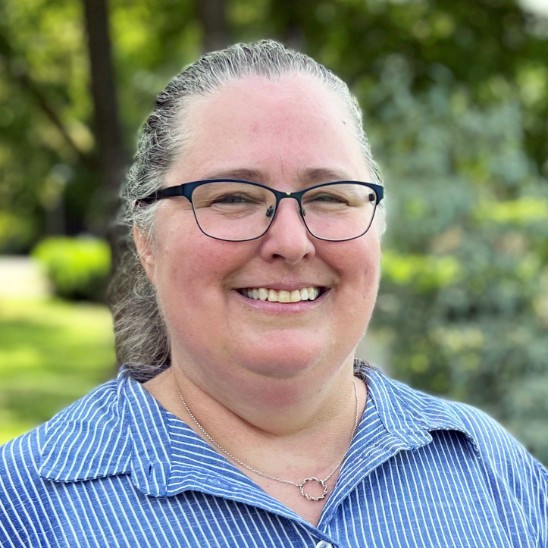
Meet our new Hub Coordinators in Umeå and Alnarp: | Sheila Holmes: “The inherent interdisciplinarity of One Health provides great opportunities for connecting research across the diverse fields of study we see at SLU.”
| | Sharon Hill:“My main motivation to join the platform was to help lift the concept of One Health in researchers’ conversations, to reach those engaged in diverse fields of study, here at SLU and further abroad.”
| | | | | | |
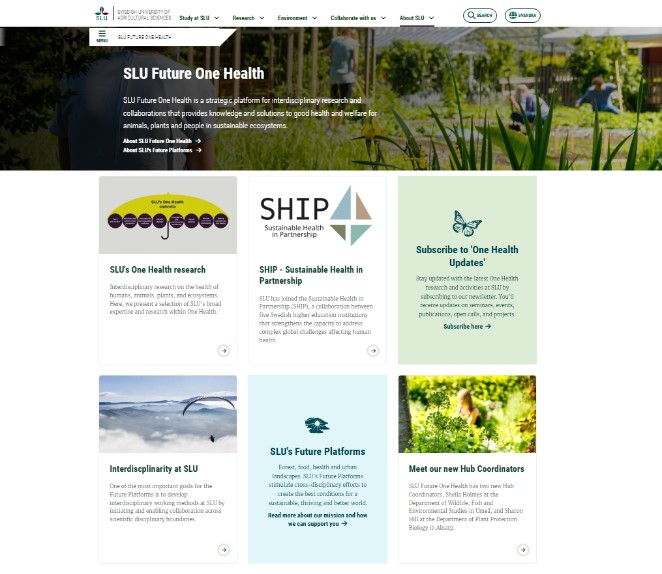
Check out our new website
Tuesday, June 17th, SLU's new website was launched! We are working to get our material up on the new web platform as soon as possible, but at first some pages may be incomplete. Please let us know if you are missing anything! | | | | | | SLU joins SHIP - Sustainable Health in Partnership
SLU has joined the Sustainable Health in Partnership (SHIP), a collaboration between five Swedish higher education institutions that strengthens the capacity to address complex global challenges affecting human health. SLU Future One Health will
serve as the university’s point of contact within the network, contributing
expertise at the intersection of animal, human and environmental health.
| | | | | | PhD course on One Health: concept, cases and methodology, 3 credits
PhD course on One Health on 13-24 October
|
We will give a theoretical overview of what the One Health concept is, and why a One Health approach is necessary to provide efficient solutions to the global challenges of our time. We will describe the benefits (and challenges) of interdisciplinary research and how interdisciplinarity is used in this context. Location: Digitally through Zoom
Last application day: 21 September 2025
| | | | | | Save the date! The One Health Breakfast Club | Our aim with The One Health Breakfast Club is to stimulate interdisciplinary and cross-faculty collaborations. We meet and greet on a regular basis, to hopefully gain some new insights and inspiration while having breakfast together. | More information coming soon. See you there!
| | | | | |
In 1775, Linnaeus' disciple Peter Hernquist was commissioned by King Gustav III to start veterinary education in Sweden. Today, 250 years later, we celebrate this with a jubilee, which not only marks a milestone for the Faculty of Veterinary Medicine and Animal Science, but for the entire Swedish University of Agricultural Sciences (SLU). The Swedish veterinary education is among the oldest in the world and is the oldest part of SLU, which has laid the foundation for the university we know today. At SLU, we are proud to carry on this tradition. Today, veterinary medicine covers many important areas such as animal health, animal welfare, sustainable food production, food safety, zoonotic diseases, and reduced climate impact – all of which are part of what we call One Health. Welcome to celebrate with us! | | | | |
PhD course: Global policies and legal frameworks for research and innovation with plant
genetic resourcesEnvironmental law
and policies are central aspects to the One Health approach,
establishing frameworks, mechanisms and decisions towards sustainable
agriculture, food security, and ecosystem resilience. This PhD course provides
students with core skills to navigate the legal and policy dimensions governing
plant genetic resources. Location: Alnarp,
Sweden, Last application date:
August 15, 2025 | | | | | |
A selection of One Health researchSLU conducts interdisciplinary research in the One Health area. Here we present a selection of research projects, publications, as well as research results in the field. (Primarily in English, Swedish if the content is not available in English). Highlights this time: | | | | | Upcoming events- related to One Health | | | | | |